The Resurgence of Wildlife in Chernobyl’s Exclusion Zone
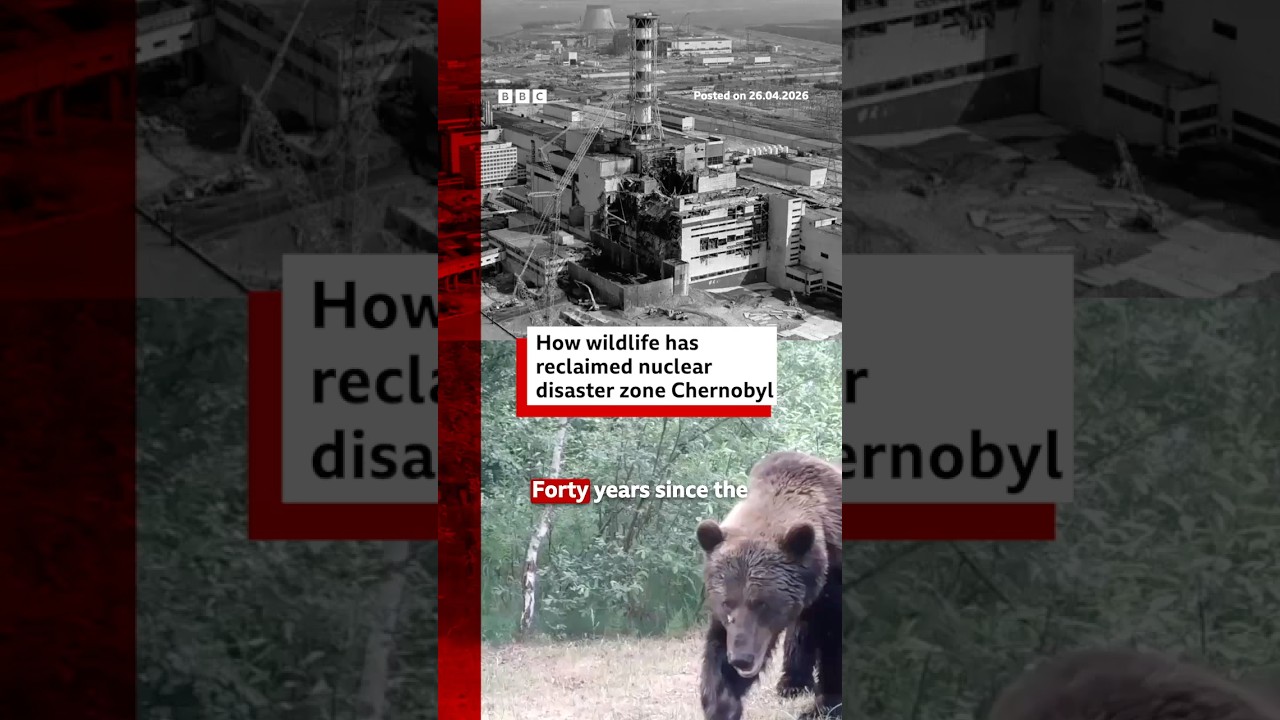
Forty years ago, the Chernobyl nuclear disaster sent shockwaves through the world. The explosion at the nuclear power plant not only released vast amounts of radiation but also prompted the evacuation of nearby towns, including Pripyat. Since then, this once-thriving city has become a haunting reminder of the accident, its streets silent and its buildings crumbling. Yet, amidst this desolation, a curious phenomenon has emerged: nature has reclaimed the land.
The Chernobyl exclusion zone, spanning approximately 1,000 square miles, is now a sanctuary for wildlife. What was once deemed as a barren wasteland, inhospitable to life, has transformed into a vivid tableau of flora and fauna. The absence of human presence has allowed an astonishing variety of species to flourish. Herds of wild horses roam the fields, bison graze in areas once dominated by human habitation, and wolves thrive where people once lived.
Scientists have long been perplexed by this resurgence. Initial assessments following the catastrophe anticipated widespread ecological devastation. The high levels of radiation and the resulting environmental degradation suggested that both human and animal life would struggle to survive. However, present-day observations tell a different story. Some species are not just surviving; they are thriving.
Researchers have found that wildlife within the exclusion zone has formed a delicate balance with the environment. The absence of human interference has provided these animals with opportunities that would have otherwise been unavailable. Human development—urbanization, agriculture, and industrial activities—would typically disrupt ecosystems and fragment habitats. In Chernobyl, the complete withdrawal of human inhabitants has led to a remarkable biodiversity rebound.
For instance, some species appear to have adapted to the low-level radiation that blankets parts of the zone. This adaptability is surprising and has forced scientists to reconsider their understanding of radiation’s impact on wildlife. Contrary to previous assumptions, which held that radiation-induced mutations would cripple populations, researchers are beginning to see evidence that certain species might be gaining evolutionary advantages in this unique environment.
The flourishing wildlife has drawn researchers and curious tourists alike. Ecotourism has emerged as a new avenue for exploring the area, allowing visitors to witness nature’s resilience firsthand. Guided tours through the exclusion zone reveal a juxtaposition of decay and rebirth—rusting buildings overgrown with flora, once-bustling amusement parks now serving as backdrops for wildlife interactions. This rebirth of nature in Chernobyl serves as a poignant reminder of the power of the natural world and its ability to recover from catastrophes.
However, the situation is not without its complexities. While some species are boons for biodiversity, experts continue to monitor the implications of radiation on genetic health and population dynamics. There are ongoing studies focused on the health of these animals and how their long-term exposure to radiation may shape their future. Some potential concerns include the stability of these populations if, or when, humans return to the region.
The unintended sanctuary that Chernobyl has become sparks important discussions about conservation and environmental management. It challenges preconceived notions about the limits of life in harsh conditions and presents a model for how ecosystems can adapt in the face of disaster. As humanity grapples with its environmental impact worldwide, the story of Chernobyl unfolds as a complex interplay of resilience and caution.
The narrative of wildlife in the Chernobyl exclusion zone offers more than just stunning visual landscapes. It serves as an important case study in resilience, adaptation, and the enduring strength of nature. While the scars of the past remain etched in the land, life continues to find a way—perhaps a lesson in humility for humanity, reminding us that nature, when given a chance, can heal even the most devastating wounds.